Temporary experiences, permanent expectations
Seasonal attractions have changed significantly. A light trail can now be a fully developed experience that combines storytelling, technology, sound, lighting, projection and interactive elements.
What hasn’t changed is what audiences expect. Visitors don’t necessarily lower their expectations because an experience is temporary. They still expect strong storytelling, reliable technology and memorable moments, whether an attraction is operating for ten years or ten weeks.
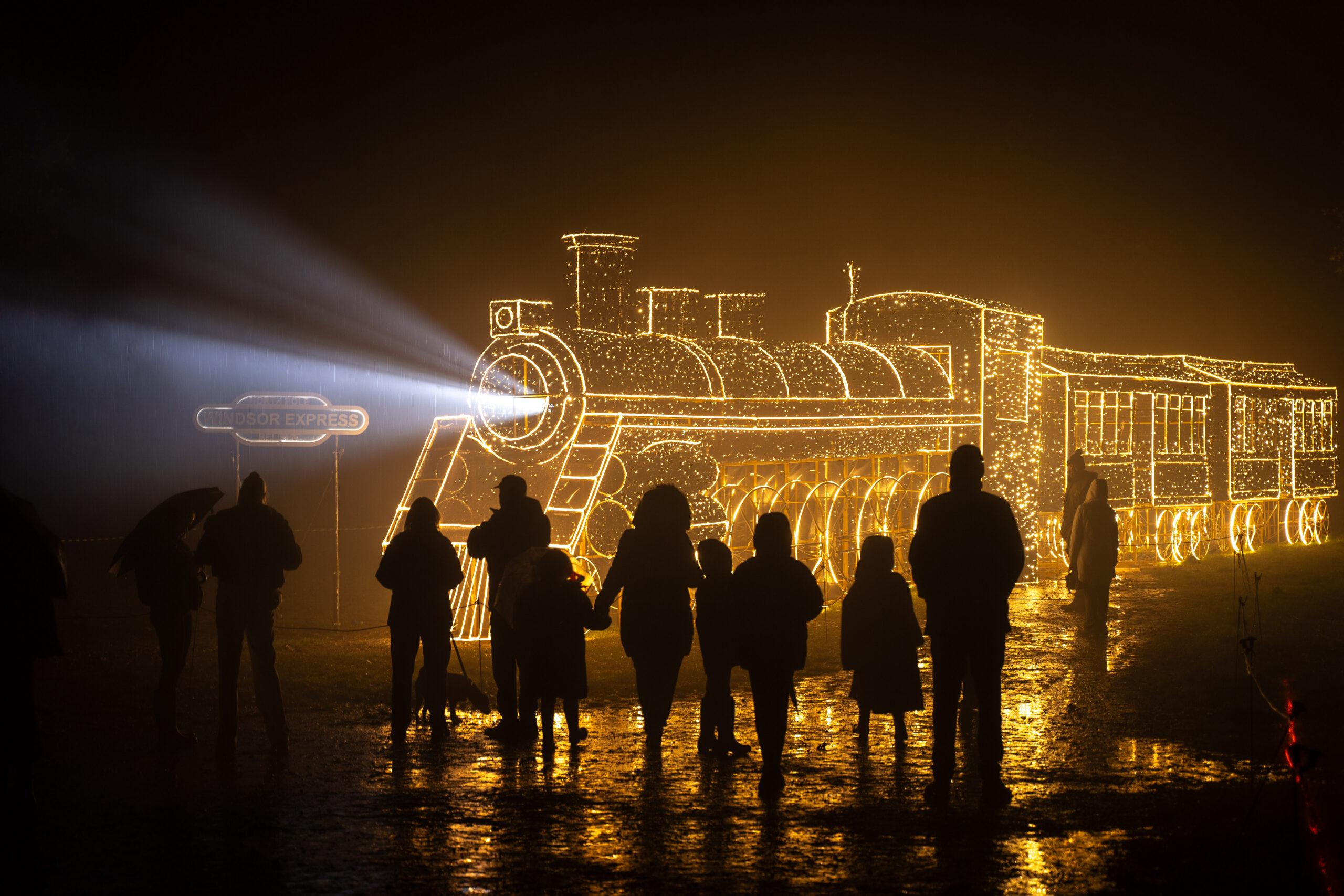
At Windsor Great Park Illuminated, LCI transformed a 2.2km forest trail into 11 experiential zones, combining an original narrative with holograms, projection mapping, interactive fireflies, water effects and a 43m LED tunnel. Visitor numbers increased by 7.06% year on year, alongside increased dwell time.
For operators, this means the same level of creative and technical thinking that goes into permanent attractions is increasingly being applied to seasonal experiences.
Pop-up vs permanent: where does the ROI come from?
Permanent and seasonal attractions create value in different ways.
A permanent attraction can generate revenue over many years, while a seasonal experience can make better use of an existing space, extend the operating calendar, create a sense of urgency and encourage previous visitors to return.
The decision therefore comes down to what the experience needs to achieve.
We’re currently working with UCC Infratech in Bangladesh to develop multi-seat dark ride theatre experiences combining wraparound projection, high-resolution media, spatial audio and environmental effects including wind and scent.
It is a very different format to a light trail, but the fundamentals are the same: understand the audience, start with the story and use technology where it adds to the experience.
Four weeks to deliver
One of the biggest differences with seasonal attractions is the delivery timeline.
We are increasingly working within installation windows of around four weeks, while still being expected to deliver the quality and reliability associated with a permanent installation.
That requires a different approach to project delivery. Creative development, media production, AV integration, programming, show control and installation all have to work together from the outset.
There is very little room for technology to be treated as a separate stage of the project. Everything needs to be considered as part of the overall experience.
Story comes first
We’re also seeing storytelling and IP playing a bigger role in seasonal attractions.
Original IP gives operators the opportunity to develop their own characters and worlds and evolve them from one season to the next. Established IP can provide immediate recognition and give audiences a reason to engage.
In both cases, the technology is there to support the story.
A projection, hologram, interactive element or piece of show control is most effective when it has a purpose within the experience. The objective is to create something visitors will remember and want to experience again.
Start with the objective
For operators considering a new experience, the starting point should be what they want it to deliver, rather than whether it is temporary or permanent.
That could be extending the season, increasing dwell time and secondary spend, making better use of an existing space, encouraging repeat visits, reaching new audiences or creating a new revenue stream.
Once that is clear, the creative and technical approach becomes much easier to define.
That’s where LCI works with operators taking the objectives for the experience and developing the right creative, technical and operational approach around them.
Whether an experience operates for a few weeks, a season or many years, the fundamentals remain the same, understand the audience, start with the story and design the technology around the experience.